
STEM TO STEAM: THE INCLUSIVE LETTER

The History of STEM
The geopolitical tension between the Soviet Union, now Russia, and the United States was present in both countries for nearly 4.5 decades; sparking the nations to go to extreme lengths to outdo the other. The true catalyst was the Cold War, the Space Race in particular. The Soviets had successfully launched Earth's first artificial satellite in 1957, leaving the U.S. in the dust. For decades, the United States had been trailing behind other countries in student proficiency in Science, Technology, Engineering, and Math. In the early 2000's, STEM, originally SMET, was introduced in hopes of bridging the education gap, and putting America back on top.
This was done by raising awareness in the public eye. Schoolboards and Colleges began promoting STEM subjects and majors, reminding students that "science and math are critical to a basic understanding of the universe, while engineering and technology are a means for people to interact with the universe."
Everyone played a part in the rekindling interest of scientific education; teachers received extra continuing education on the subjects and how to teach them more effectively, and students, in turn, received the new and improved curriculum.
The Addition of "A"
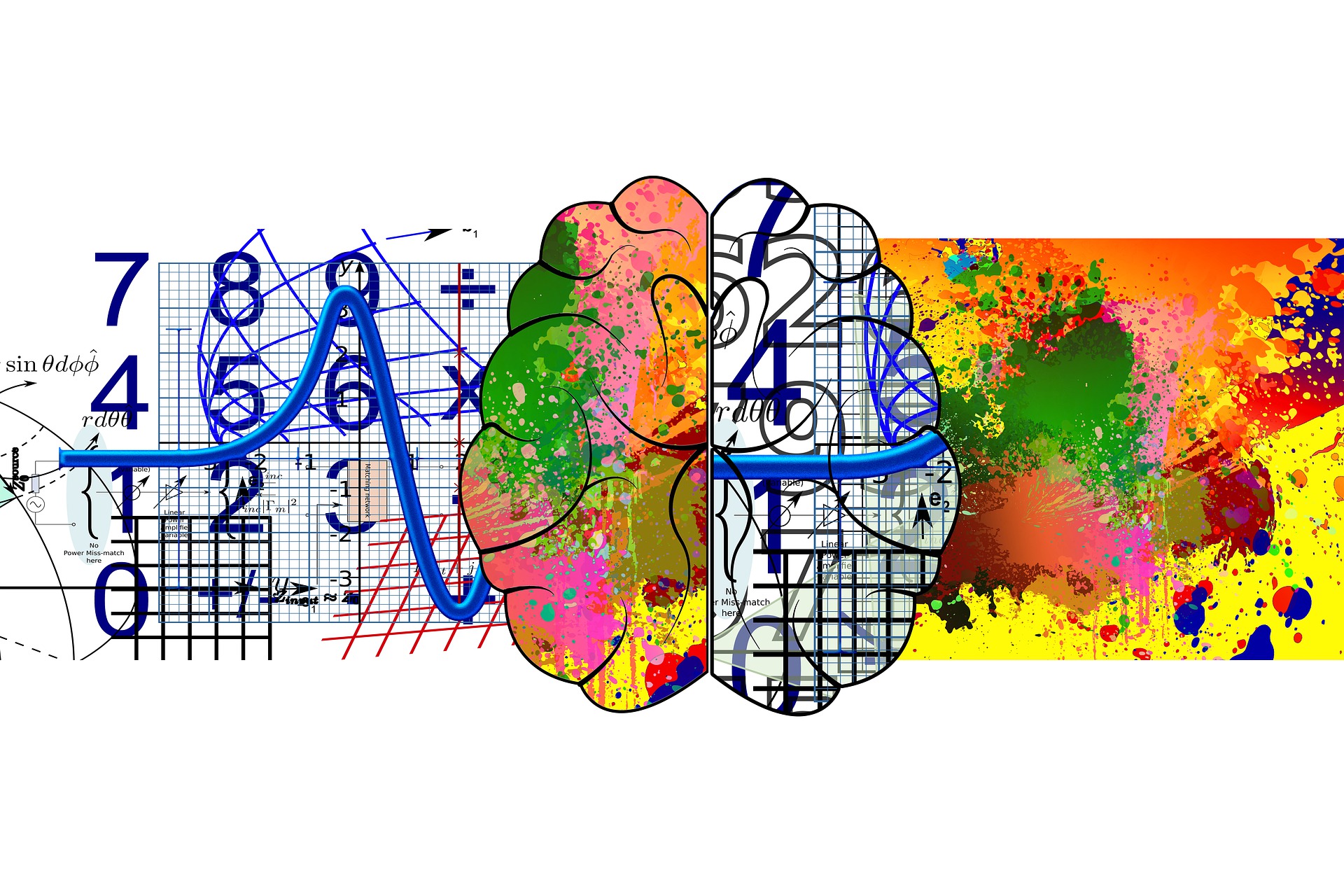
STEM was reintroduced as STEAM in 2006, adding "Art" to the mix. While the specific art in question can change based on who you're talking to, the addition of the arts has seen plenty of love.
It's no question that most 6 year old's would go crazy in a scientific learning environment like the one's we see in college lecture halls. With the added emphasis on art, new, creative ways of teaching are emerging. This allows for students, especially young ones, or even students that don't enjoy learning, the ability to become interested in the subject matters.

What Art Brings
Arts, whether it be in the fashion world, fine arts, or even music, require a varying degree of STEM knowledge, which STEAM brings to light.
Music is built on repetition and creative learning skills. This prompts a well-off memory recall, aiding in STEM studies.
Music is well known to be a place for creative expression, but that doesn't have to be limited to just music. Having an activity to jumpstart creativity can have major breakthroughs in the scientific world as well.
Inventions didn't come from a person sitting bored to death in a classroom setting, it (more than likely) came from a place of creativity.
The Bottom Line
Science, Technology, Engineering, and Math are important skillsets and careers to obtain, but so are skills in the Arts. The Arts get a bad rep, often labeling artists as unintelligible for pursuing a career outside of the scientific community. However, artistic careers are surrounded with plenty of competition and talent, making them some of the hardest careers to attain. The inclusive "A" in STEAM sheds light on artists, and brings their creative skillsets to other industries; something I think any professional can appreciate.