
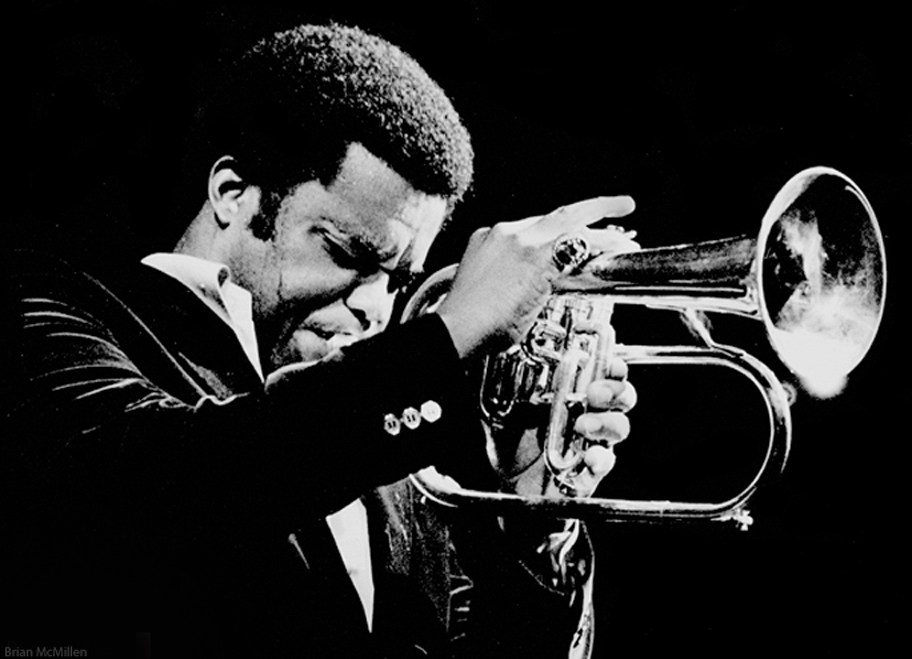
JAZZ APPRECIATION MONTH: HISTORY OF THE DAY

April is Jazz Appreciation Month, and MusicSOL intends to celebrate accordingly. We may not realize it in the moment, but history is being made with each passing day. On this day, April 7th, in Jazz history, there are no shortages of brick-laying events to mention.
Freddie Hubbard is Born Today, in 1938
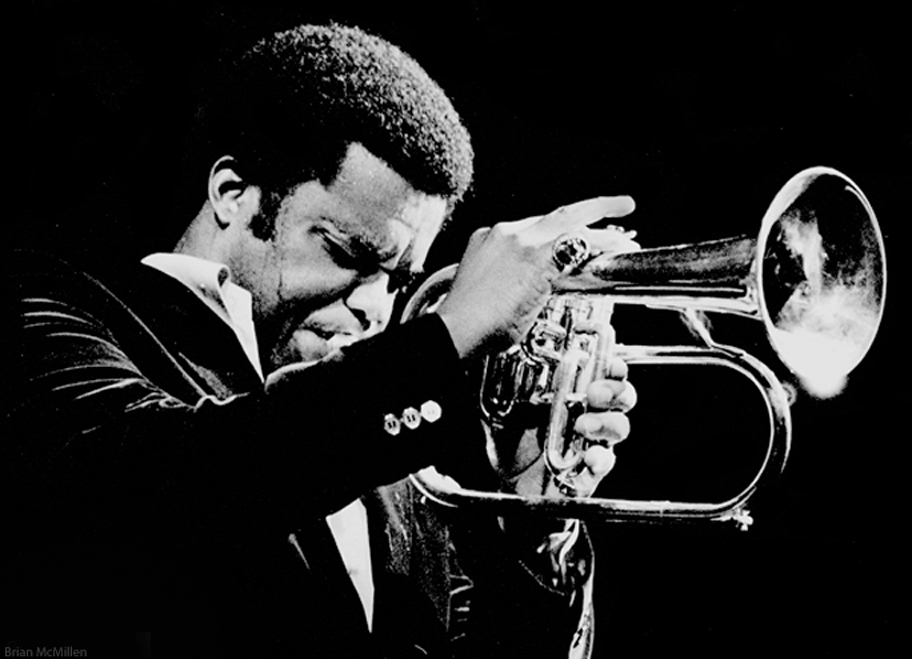
Labeled by Down Beat as "the most powerful and prolific trumpeter in jazz", Freddie Hubbard was known for his extraordinary playing abilities and infectious performance energy.
Hubbard's most recognizable songs include Windjammer, which received the highest position of his work on Billboard's Top 200 chart, reaching a peak of 85 and stayed on the chart for 9 weeks, The Baddest Hubbard, and High Energy.
Freddie has one Grammy for Best Jazz Instrumental Album of 1973, winning with First Light, his second album. Along with a NEA Jazz Master Award, Hubbard has inspired jazz musicians after his passing, as well as countless musicians outside of the jazz realm. According to whosampled.com, there have been 134 samples found using Hubbard's music.
Freddie has one Grammy for Best Jazz Instrumental Album of 1973, winning with First Light, his second album. Along with a NEA Jazz Master Award, Hubbard has inspired jazz musicians after his passing, as well as countless musicians outside of the jazz realm. According to whosampled.com, there have been 134 samples found using Hubbard's music.
Jimmy Smith Records Cool Blues, in 1958
Jimmy Smith, an American jazz musician, helped popularize the Hammond B-3 Organ, which he is most notably known for playing. As a lower cost alternative to a traditional organ and pianos, the Hammond B-3 Organ created a link between the Jazz and Soul genres.
Cool Blues is a live album recorded with Jimmy Smith (organ), Lou Donaldson (alto saxophone), Tina Brooks (tenor saxophone), Eddie McFadden (guitar), Donald Bailey (drums), and Art Blakey (drums). The album was recorded back in 1958, but was not released until 1980.
Despite the fact that Jimmy Smith only received one award in his career, the Jazz Master Award, he had an undeniable role in the history of music. The Hammond Organ was key in the progressive rock movement, as well as ska and reggae; all of which moved on to inspire the next generations of musicians of all genres.
Miles Davis Records A Tribute To Jack Johnson, in 1970
Released in 1971, A Tribute To Jack Johnson is a studio album and soundtrack by trumpeter and composer, Miles Davis. The album was composed to be used in the documentary Jack Johnson, filmed in honor of the first African American world heavyweight boxing champion.
Davis was inspired by Johnson's story and was set on making music for African-American's that appreciated a groovy, untraditional sound. The album is thought by many to be Davis' best work, being his most successful reach into rock music.
Besides the album, the movie is inspirational in itself. Davis understood the saga of Johnson's legacy and created the perfect soundtrack to the film celebrating a strong, black man.
Davis was inspired by Johnson's story and was set on making music for African-American's that appreciated a groovy, untraditional sound. The album is thought by many to be Davis' best work, being his most successful reach into rock music.
Besides the album, the movie is inspirational in itself. Davis understood the saga of Johnson's legacy and created the perfect soundtrack to the film celebrating a strong, black man.
With April only just beginning, we hope you will take this opportunity to celebrate Jazz music and all that it has brought to the world. After all, without jazz there would be no Pop, Hip-Hop, Rap, or R&B, at least in the same way we see it today.
Freddie Hubbard Image: Brianmcmillen, CC BY-SA 4.0 <https://creativecommons.org/licenses/by-sa/4.0>, via Wikimedia Commons