
MUSIC EDUCATION AND ADHD – SOUND MEDICINE

“Nothing activates the brain so extensively as music,” said the late Oliver Sacks, M.D., neurologist and author of Musicophilia. Sacks studied and documented music and its connection to brain movement in Parkinson’s patients, Tourette syndrome, and Autism. His strong belief that music can heal the brain is still being studied around the world by top doctors and music therapists.
What is Music Therapy?
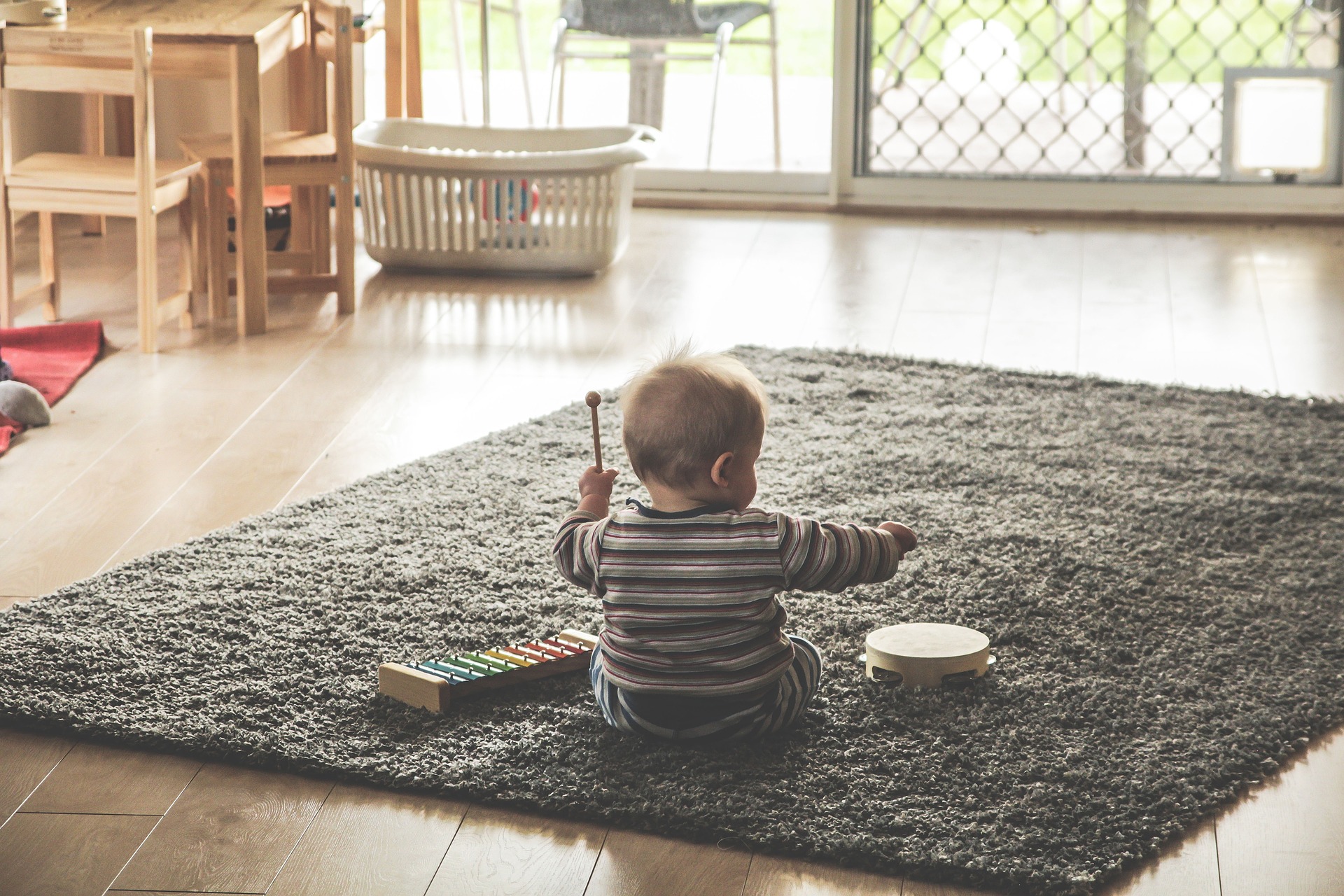
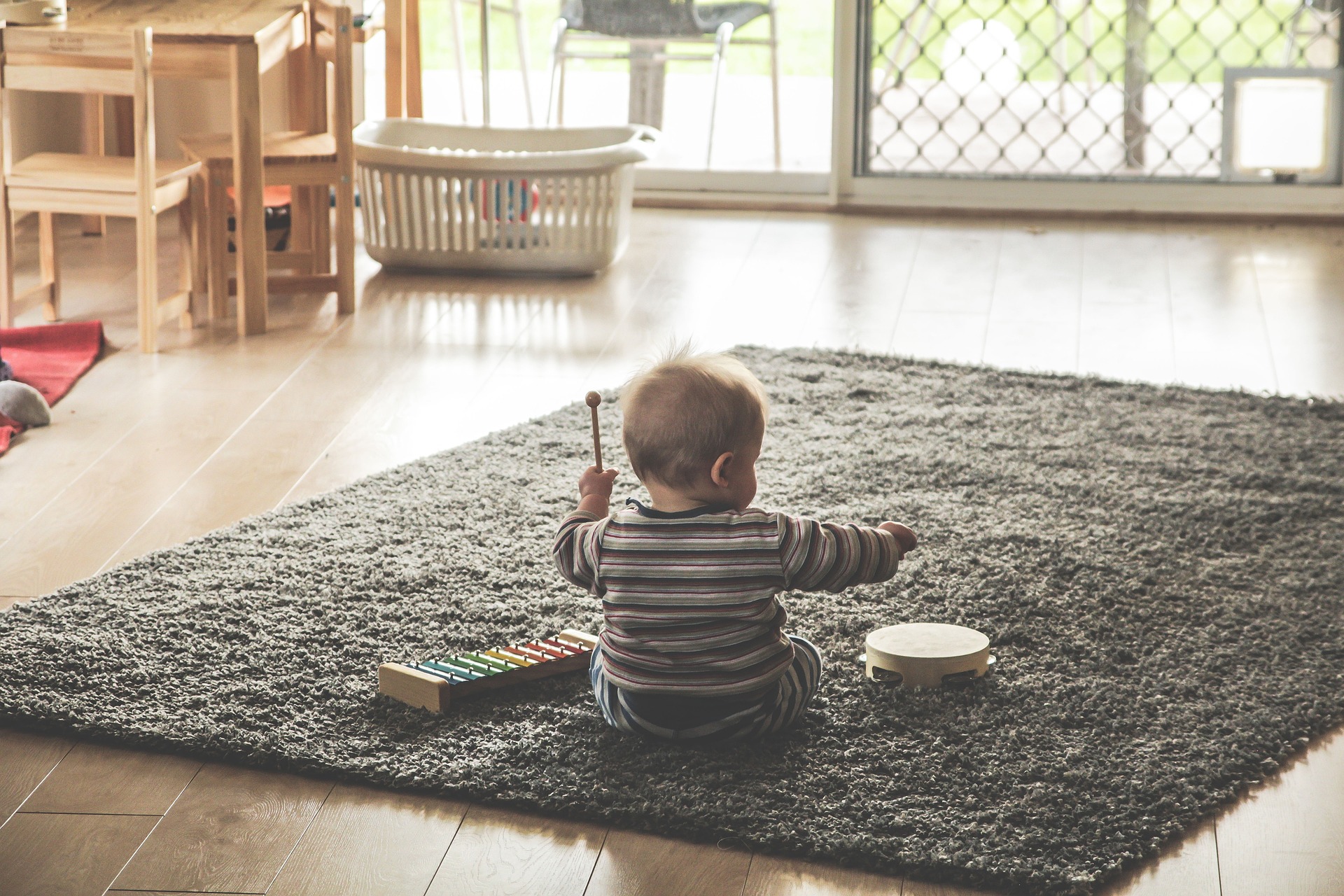
Music therapy is a form of expressive therapy used to aid a variety of conditions. There are two forms of music therapy. In one, you create music as an emotional release. In the other, you listen to music while performing a creative task. The former being the most common for children with Attention Deficit Disorder (ADHD or ADD). Music therapy can help boost attention and focus, reduce hyperactivity, and strengthen social skills.
But why does it work?
MUSIC PROVIDES STRUCTURE. When you have ADHD, your mind is racing at record speeds. Being so full of mental and physical energy makes it more difficult to focus for long periods of time. Music is very structured, and this is very appealing to the ADHD mind. The mind craves a sense of order and structure.
Music is rhythm, rhythm is structure, and structure is soothing to an ADHD brain. Every song has a beginning, middle, and end, making it organized and predictable. The beats and rhythms also have a specific structure. This redirects and refocuses the mind, encouraging better mental organization.
MUSIC RELEASES DOPAMINE. A mind with ADHD has lower levels of dopamine – the neurotransmitter responsible for motivation, attention, working memory, and focus. Research shows that pleasurable music increases dopamine levels in the brain. “Music activates both sides of the brain, forcing your whole brain to work together and build new neural networks.” says Jessica Camino, a neurologic music therapist in Los Angeles. “Through brain imaging, we can see how music lights up the left and right lobes.”
Turn Off the TV
The mind of kids with ADHD jumps around to everything, making them more sensitive to auditory stimulation and less able to tune things out, like television. Replace the mindless chatter of Spongebob with the calming rhythms of music. Play some classical music while you brush teeth, smooth jazz as you make breakfast, and some blues as you clean the house. These small changes will already make a huge change in your child's brain.
How to Get Started?
If you want to start your child on music lessons and see the changes music can make, the process is surprisingly simple.
1. Sit down with your child and pick out the instrument that they are most excited to learn. (remember voice is an instrument as well!) or contact us for a FREE consultation where we'll help you pick out the perfect instrument!
2. Sign up Risk Free today! We'll match you with a fitting instructor.